Slow cookers are a busy cook’s best friend, offering a convenient way to prepare hearty, flavourful meals with minimal effort. Beef, with its 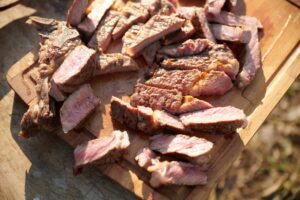 rich flavour and ability to transform into a melt-in-your-mouth dish, is an ideal choice for this appliance. But the key to perfect slow-cooked beef lies in getting the cooking time just right.
What You’ll Learn
This guide walks you through the cooking times for different cuts of beef in a slow cooker, factors that can impact those times, and tips to ensure your dish turns out perfectly every time.
General Cooking Times for Beef in a Slow Cooker
The cooking time depends on several factors, including the cut of the beef, the heat setting (high or low), and your desired level of tenderness. Here’s a general guide:
- 1.5kg beef topside or silverside
-
- Low heat: 5-7 hours
- High heat: 4-5 hours
- Brisket or rib roast
-
- Low heat: 10-12 hours (for fall-apart tenderness)
- Beef stew
-
- Low heat: 8-10 hours
- High heat: 4 hours
- Pot roast
-
- Low heat: 8-10 hours
While these numbers are a great starting point, specific factors can influence cooking time, as we’ll explore in the sections below.
Factors That Affect Cooking Time
Cut of Beef
The type of beef cut you’re cooking plays a significant role in determining how long it needs to stay in the slow cooker:
- Dense cuts such as topside or silverside usually require more time to break down and tenderise compared to fattier, more marbled cuts like brisket.
- Fattier cuts of beef, such as brisket or rib roast, have internal fat that melts over time, keeping the meat moist and giving it that sought-after fall-apart texture.
Quick Tip: If you’re unsure how long your specific cut will take to cook, use the general rule of thumb that denser, leaner cuts take longer to tenderise.
Heat Setting
Slow cookers typically have two main heat settings:
- Low heat offers a gentler cook, which is perfect for tougher cuts of beef that need ample time to break down connective tissue. This setting ensures the meat is as tender as possible.
- High heat accelerates the cooking process but might compromise on tenderness compared to the low setting.
Example: A 1.5kg silverside cooked on low heat would take about 5-7 hours, whereas on high heat, it would be done in 4-5 hours but may not have the same level of tenderness.
Desired Tenderness
What’s your end goal? A perfectly sliced roast or shredded pulled beef? The level of tenderness impacts cooking time:
- Traditional roast beef can be ready in 5-7 hours on low, maintaining some structure for slicing.
- Pulled or fall-apart beef needs more time for the connective tissue to fully break down, ideally 10+ hours on low.
Pro Tip: If you’re after fall-apart beef and on a timeline, try a fattier cut, as it will become tender faster than a lean cut.
Initial Temperature
Starting with beef that’s at room temperature instead of straight from the fridge can shave off some cooking time. When the beef is closer to the cooking temperature at the start, the slow cooker doesn’t have to work as hard to heat it through.
Safety First: Always follow proper food safety guidelines and don’t leave raw beef out for more than 2 hours before cooking.
Internal Temperature
Using a meat thermometer is the most reliable way to know when your beef is done, especially if you’re cooking a roast. General guidelines for internal beef temperatures are as follows:
- Rare: 50°C
- Medium-rare: 55°C
- Medium: 60°C
- Well-done: 70°C
Insert the thermometer into the thickest part of the beef to ensure an accurate reading.
Specific Dishes and Their Cooking Times
Beef Stew
Beef stew is a slow cooker classic. Cubed beef, potatoes, carrots, and onions come together into a hearty, flavourful meal.
- Low heat: 8-10 hours
- High heat: 4 hours
Pot Roast
A pot roast is typically made with tougher cuts like chuck roast, which need extra time to reach their tender potential.
- Low heat: 8-10 hours
Tip: Add herbs, onions, and a splash of stock or wine to create a rich gravy as it cooks.
Brisket or Rib Roast
These cuts are ideal for shredding and creating pulled beef for tacos, sandwiches, or sliders:
- Low heat: 10+ hours for maximum tenderness
Pro Tip: Always cook brisket or ribs fat-side up to allow the fat to render through the meat, adding flavour and moisture.
Slow-Cooking Hacks for Perfect Beef Every Time
- Don’t Peek: Resist the urge to lift the lid! Every time you open the slow cooker, you release heat and increase cooking time by about 20 minutes.
- Layer Wisely: Place vegetables like carrots and potatoes at the bottom of the slow cooker, as they take longer to cook than beef.
- Use Liquids Sparingly: Beef doesn’t need to be submerged entirely in liquid. A small amount of stock, wine, or even water is enough to keep it moist and create a sauce or gravy.
Final Thoughts on Slow-Cooking the Perfect Beef
Mastering the art of slow-cooking beef is all about understanding the variables at play. Whether you’re making a classic pot roast, a flavourful beef stew, or fall-apart brisket, cooking low and slow is the secret to tender, juicy results.
When in doubt, always go for longer cooking times on a low setting—that’s where the magic happens.
To get even more tips on making mouthwatering slow-cooker beef dishes, sign up for our weekly recipes and kitchen hacks newsletter!